Most people never see a dermatologist. They manage their skin alone, with whatever they can piece together from the mirror, the internet, and something they were told once by someone at a counter.
For the ones who do come in, it's fifteen minutes, maybe twice a year. And we're trying to understand six months of skin from memory, theirs and nothing else. When did it start? Was it gradual? What was going on that month? People do their best. But nobody can reliably recall the state of their own face in March.
Whether or not you ever sit in front of someone like us, the same thing is missing. Not expertise. A record.
Most changes happen between appointments. Without a continuous record, they're easy to forget, impossible to compare, and difficult to explain. That's where tracking changes everything.
Why you can't just remember it
This isn't a failure of attention. Skin changes slowly, and slow change is the hardest kind to perceive: you're comparing against this morning's mirror, not against February. By the time something is noticeable enough to mention, it's usually been underway for a while.
The people who track it are better off. But most tracking means photos in a camera roll, taken in different light, at different distances, at unpredictable intervals. It's better than nothing. It's not a record.
Why asking an AI doesn't close it either
A lot of people now describe their skin to a chatbot and get a fluent, confident, sensible-sounding answer back.
The answers aren't stupid. They're just about skin in general, because that's the only thing the model has. It doesn't know what your readings were doing in April. It has no access to the interval, so it fills the gap with population averages and delivers them in the second person.
It's a context problem, not an intelligence problem. You cannot analyse a record that was never kept.
What we keep hearing from practitioners
We've spent this year talking to dermal clinicians, nurses and skin therapists, and the same thing comes up almost every time.
The clients who stay are the ones who understand their own skin. Not the ones who were sold the most, or given the longest routine, but the ones who genuinely grasp what's going on and why. That's what produces loyalty, and it's also what produces referrals. Understanding is the retention strategy.
And it gets stronger with time. A client who's been building a picture over a year is a different client to one who's six weeks in. They ask better questions. They stick with things long enough to see whether anything changed.
The other thing practitioners raise is time. A meaningful part of every appointment goes on reconstructing the last six months. That's time not spent on the actual work. Anything that arrives at the appointment already recorded is time given back to the client, which is where they'd rather be spending it anyway.
Talking to your own record
The quantified-self movement gave people enormous amounts of data and very little help reading it. Dashboards assume you already know what to look for. Most people don't, so the charts go unopened and the tracking quietly stops.
Conversation lowers that barrier. You ask the question you actually have, in your own words: What changed between my last two scans? What were my readings doing across the weeks I slept badly? Which measure moved most this month?
You don't need to know which chart to open, or what a normal range is. You need to be able to ask.
That's what Ask Stella does. It reads your own scan history and answers questions about it.
What it isn't
It doesn't diagnose anything. It won't tell you what a change means medically, and it won't tell you that one thing caused another. Eight weeks of one person's readings can't establish that, and anything claiming otherwise is telling you something it doesn't know.
It also isn't a substitute for sitting in front of someone qualified. If anything, it makes that appointment worth more. A clinician who can see what actually happened over six months is working with something better than recall, and the time goes on you instead of on reconstruction.
And if you never make that appointment, which is most people, you still deserve to know what your own skin has been doing.
Your skin doesn't take the year off between appointments. It shouldn't have to go unrecorded either.
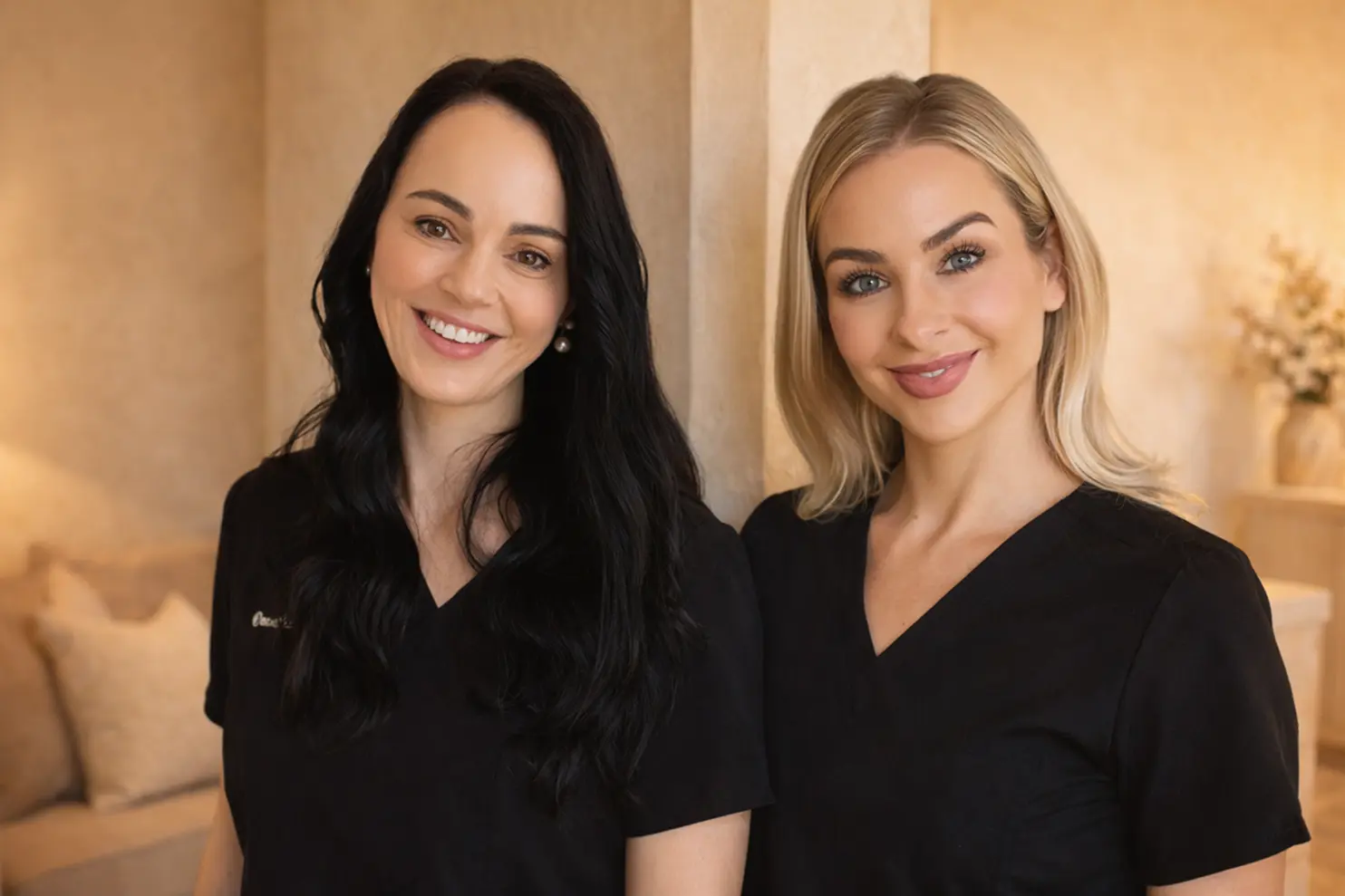
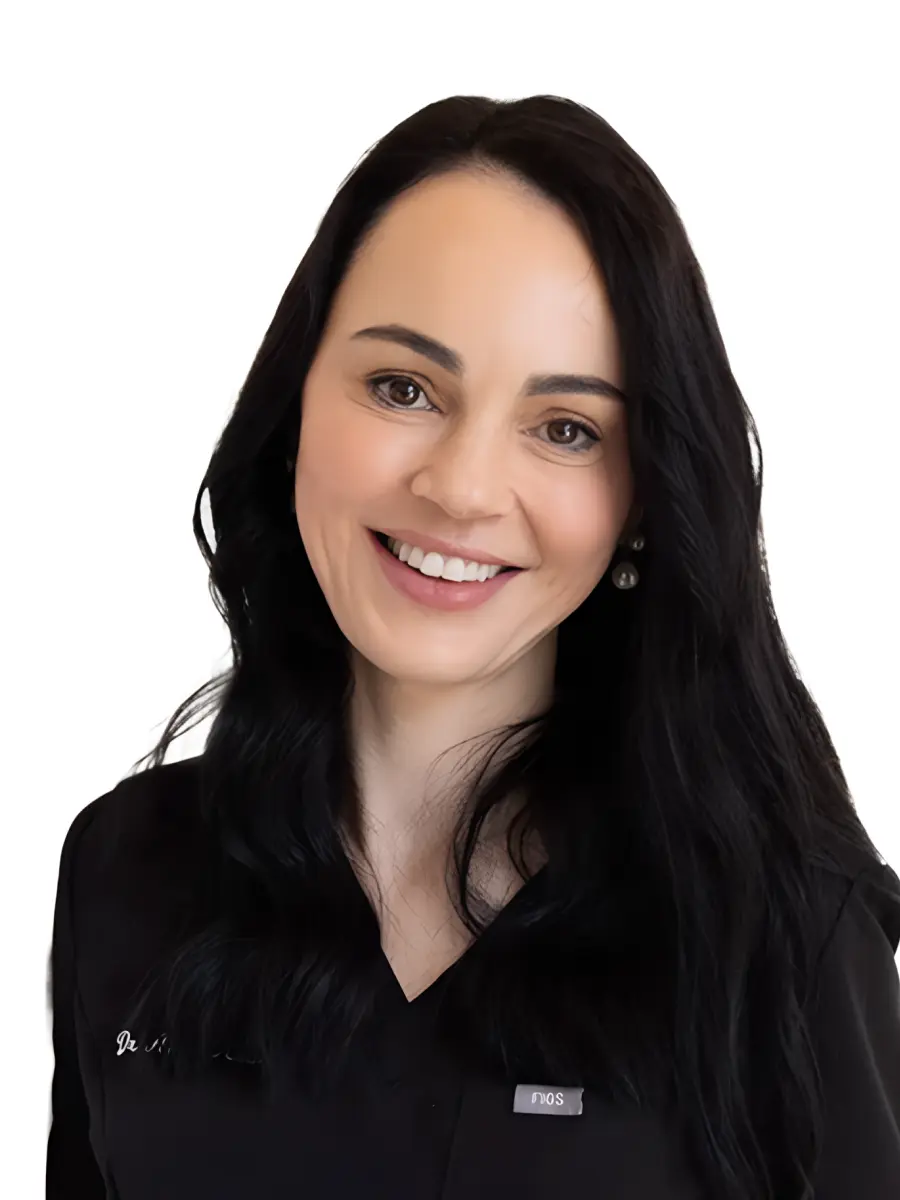
Dr. Alice Rudd
Cofounder · Skin Science · MBBS Monash UniversityAlice is a Stella co-founder and dermatologist. She trained at Monash University and brings clinical experience to Stella’s measurement framework and scientific boundaries. She also runs Skindepth, a Melbourne dermatology practice.
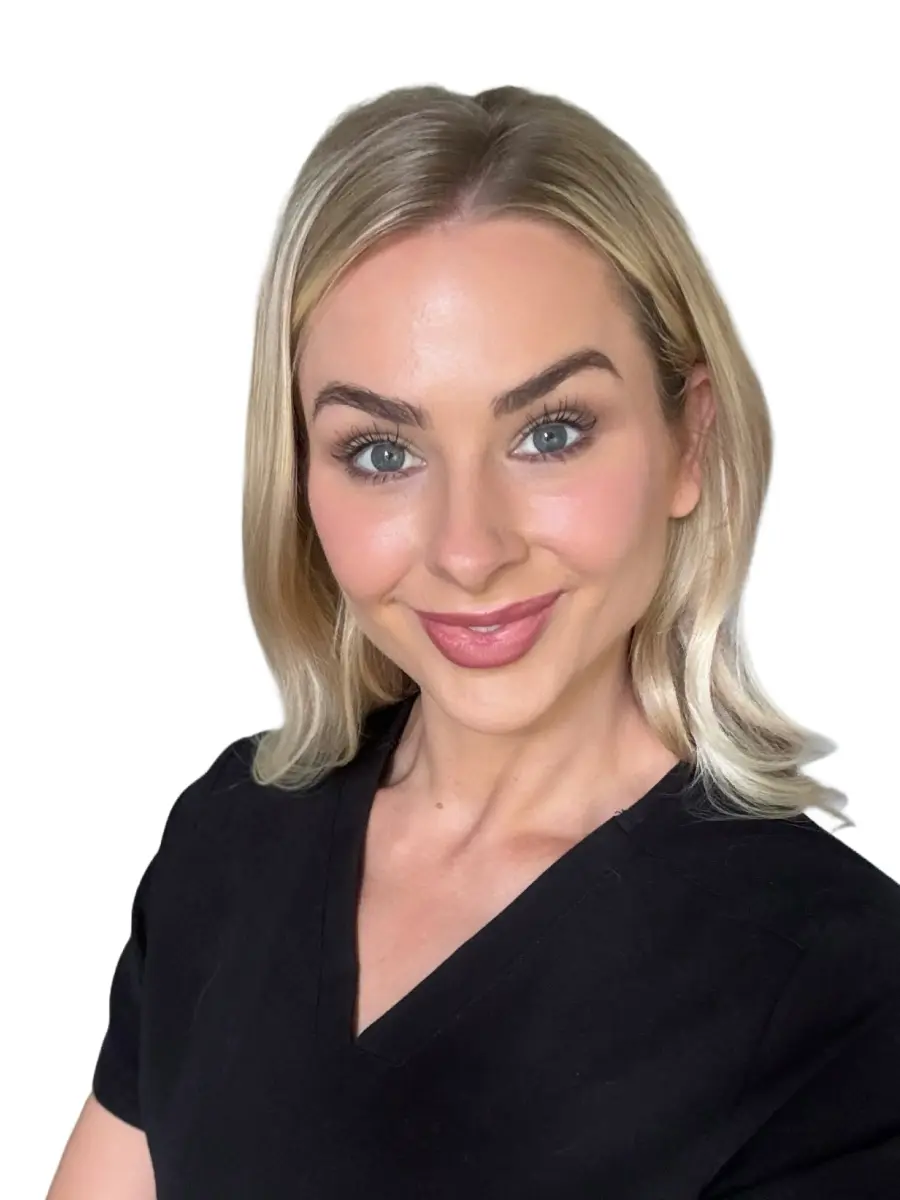
Joanne Wismeyer
Registered Nurse · ContributorJoanne Wismeyer is a registered nurse with experience across emergency, clinical and cosmetic care, contributing practical context to this article.